Reviewing the Halloween Funny Pumpkin for Embroidery
As a designer who has spent years digitizing and stitching thousands of motifs, I approach every new machine embroidery design with a mix of curiosity and skepticism. We all know that what looks crisp on a screen does not always translate cleanly to fabric. When I first loaded the Halloween Funny Pumpkin file into my software, I was looking for more than just a seasonal graphic. I wanted to know if this asset could hold up under the needle, survive a wash cycle, and actually drive sales for my small shop clients.
This review is written from the perspective of practical application. I am not just looking at the aesthetics; I am evaluating how this embroidery file performs in real-world scenarios, from custom apparel to boutique home decor. If you are an Etsy seller, a hobbyist, or a professional decorator, here is my honest assessment of using this design in your next project.
First Impressions and Visual Personality
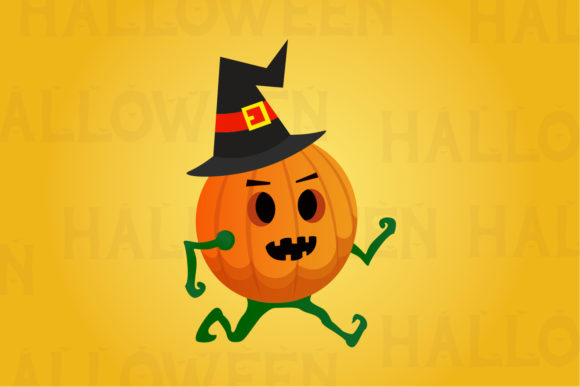
The immediate mood of the Halloween Funny Pumpkin is playful rather than terrifying. In the world of holiday embroidery, there is a distinct difference between spooky and cute. This design leans heavily into the "funny" aspect, making it versatile for a wider audience. It avoids the gore or darkness that might limit its appeal to children or families who prefer lighthearted decor.
Visually, the layout feels balanced. For a Graphics product intended for stitch-out, the shapes appear well-defined. The pumpkin’s expression gives it character, which is crucial for customer engagement. When I visualize this on a product, I do not see a generic clip art; I see a personality that can anchor a design. However, as with any digital asset categorized under Crafts, the true test lies in the stitch path and density, which we must evaluate carefully before committing to expensive fabric.
Real-World Application: The Tote Bag Test
To understand the viability of this design, I imagined a specific client request: a set of personalized tote bags for a local preschool’s fall festival. This is a common scenario for many Etsy sellers and craft business owners. The goal was to create a durable, eye-catching item that parents would keep using long after October ends.
I placed the Halloween Funny Pumpkin on a canvas tote mockup. The result was promising. The bold lines of the pumpkin stood out against the natural beige fabric. For a tote bag design, clarity is key. You want the image to be recognizable from a few feet away. This design’s simplified features work in its favor here. Complex details often get lost in the weave of canvas or denim, but the strong silhouette of this pumpkin ensures high visibility.
If I were producing this as a handmade product, I would likely pair it with a simple text element like "Trick or Treat" or the child’s name. The pumpkin acts as a perfect focal point without overwhelming the additional lettering. This balance is essential for creating professional-looking custom apparel and accessories that justify a higher price point.
Stitching Considerations and Fabric Choices
While the visual appeal is strong, the technical execution requires attention. When working with any digital embroidery file, you must consider the stitch density. A design that is too dense can cause puckering, especially on lighter fabrics. Conversely, a design that is too sparse may show the fabric background through the stitches, ruining the finish.
For the Halloween Funny Pumpkin, I recommend testing on scrap fabric first. If you are stitching on a sweatshirt embroidery project, the thick fleece will hide minor imperfections, but you must ensure your stabilizer is robust enough to support the weight of the thread. A cut-away stabilizer is usually best for knits to prevent distortion during wear and washing.
On thinner materials, such as a baby onesie for baby embroidery, caution is advised. Check if the design uses heavy fill stitch areas. If it does, you might need to use a water-soluble topping to keep the stitches from sinking into the plush fabric. Always verify the thread colors in your machine against the preview. Orange threads can vary wildly in saturation; a dull orange will make the pumpkin look muddy, while a vibrant neon orange might clash with other design elements.
Challenges with Curved and Textured Surfaces
Not every surface is flat. If you plan to use this design on an embroidered patch or a cap, you face unique challenges. Caps have curved surfaces that can distort circular or wide designs. The Halloween Funny Pumpkin should be checked for width relative to your hoop size. If the design is too wide, it may wrap around the curve of a baseball cap awkwardly.
Similarly, textured fabrics like terry cloth towels require careful handling. The loops of the towel can catch on satin stitch borders. In such cases, converting parts of the design to a running stitch or using an applique design technique might yield a cleaner result. Always inspect small details. If the pumpkin has tiny eyes or mouth features, ensure they are large enough to stitch out clearly without breaking needles or causing thread breaks.
Commercial Viability and Brand Consistency
For small shop product lines, consistency is vital. Does the Halloween Funny Pumpkin fit your brand’s aesthetic? If your brand is known for intricate, vintage-style embroidery, this playful, modern graphic might feel out of place. However, for brands focusing on family-friendly, accessible, and fun items, it is an excellent addition.
Using this design in commercial embroidery projects can boost buyer engagement. Holiday items are impulse buys. A funny, well-executed pumpkin on a kitchen towel or pillow cover creates an emotional connection. It signals that the maker has a sense of humor and attention to detail. This enhances product value and builds customer trust.
When creating printable mockup images for your online store, ensure the lighting highlights the texture of the stitches. Buyers want to see the quality of the finished product. Show the design on different backgrounds to demonstrate versatility. Compare how it looks on dark versus light fabrics. This transparency helps manage customer expectations and reduces returns.
Final Designer Notes
Before you commit to a large production run, take these practical steps:
- Verify Licensing: The product description mentions it is ideal for craft work, but always confirm if the license allows for commercial sales of finished physical items. Do not assume; check the specific terms provided with the download.
- Check File Formats: Ensure the embroidery file is compatible with your machine. Common formats include PES, DST, and JEF. If the format is not listed, contact the seller.
- Test Stitch Out: Never skip the test stitch. Use similar fabric and stabilizer to your final product. Look for thread breaks, nesting, or registration issues.
- Color Contrast: Test the design in black and white on your screen. If the details disappear in grayscale, the contrast may be too low for certain fabric combinations.
The Halloween Funny Pumpkin is a solid contender for your autumn collection. It offers a blend of charm and simplicity that works well for a variety of embroidery project types. By paying attention to technical details like stabilizer choice and stitch density, you can transform this digital asset into a high-quality personalized gift or best-selling small shop product. Remember, the best designs are those that not only look good on screen but stand up to the rigors of real life.