This Guy Needs a Beer: A Designer's Embroidery Review
As someone who has spent years navigating the intersection of digital design and physical stitching, I approach every new machine embroidery design with a critical eye. It is not enough for a graphic to look good on a screen; it must translate seamlessly into thread without losing its soul. Recently, I evaluated This Guy Needs a Beer, Funny Beer Design, a piece that immediately caught my attention for its straightforward humor and bold aesthetic. For any Etsy seller, small shop product creator, or hobbyist looking to expand their catalog with custom apparel, understanding how this specific asset performs in real-world scenarios is crucial before you commit to production.
First Impressions: Mood and Visual Personality
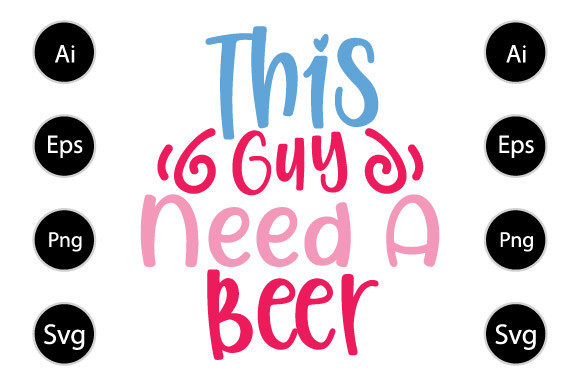
When I first opened the files for This Guy Needs a Beer, Funny Beer Design, the immediate reaction was one of relief. In a market often saturated with overly complex vector art that fails under a needle, this design stands out for its clarity. The mood is unmistakably lighthearted and relatable, tapping into the universal language of "just one more drink." As a Graphics file intended for Crafts, it balances text and imagery in a way that suggests it will hold up well even when scaled down slightly.
The visual personality is robust. It does not rely on delicate lines that might get lost in a dense fill stitch pattern. Instead, it uses strong shapes and confident typography. This makes it an excellent candidate for sweatshirt embroidery or heavy canvas items where visibility is key. If you are planning a holiday gift line or a batch of personalized gifts for a bachelor party, the design’s inherent humor ensures it resonates instantly with the buyer. It feels like a design that belongs on a sturdy tote bag design or a rugged denim jacket rather than a delicate silk scarf.
Real-World Application: From File to Finished Product
To truly test the viability of This Guy Needs a Beer, Funny Beer Design, I simulated a few common project scenarios. Imagine preparing a custom embroidered tote bag for a local craft fair. The design’s layout allows for a clean placement on the front panel, ensuring the message is legible from a distance. Because the design comes in high-resolution formats like PNG and SVG, scaling it to fit a large hoop without pixelation is effortless.
I also considered using this as an embroidered patch. The bold outlines suggest it would work beautifully with a satin border, creating a professional finish that elevates the perceived value of the item. For those running a craft business, turning this into a patch allows you to sell the same design across multiple products—caps, bags, and jackets—maximizing your return on the digital embroidery file.
However, the true test lies in the stitching itself. When converting this embroidery file into a stitch plan, the density of the lettering becomes a focal point. The phrase "This Guy Needs a Beer" requires careful attention to stitch density. If the fill is too tight, the fabric may pucker, ruining the drape of a t-shirt. If it is too loose, the threads may gap, making the design look cheap. My advice is to run a test on scrap fabric first. Check how the thread colors interact with the background material. On a dark navy sweatshirt, a bright white or gold version of this design pops, but you must ensure the underlay is sufficient to prevent the dark fabric from showing through the stitches.
Navigating Fabric Challenges
While This Guy Needs a Beer, Funny Beer Design is versatile, it is not immune to the challenges of different materials. Using this on thin or stretchy fabric requires extra caution. Without a proper stabilizer, the tension from the machine can distort the text, making it unreadable. I strongly recommend using a cutaway stabilizer for knits to maintain the integrity of the design.
Textured fabrics present another hurdle. If you attempt to embroider this on a heavily napped fleece or a rough linen, the texture can interfere with the smooth flow of the running stitch or satin stitch details. The result might be a fuzzy appearance that detracts from the crispness of the original Graphics file. Similarly, curved surfaces like caps require precise digitization adjustments. The text needs to follow the curve of the cap panel naturally; otherwise, the words will look warped once stitched.
Strategic Use for Small Business Owners
For the creative entrepreneur or handmade shop owner, the choice of design assets directly impacts brand consistency and customer trust. This Guy Needs a Beer, Funny Beer Design offers a clear niche appeal. It is perfect for seasonal promotions, such as Father's Day or summer BBQ events. By pairing this design with high-quality custom apparel, you create a finished product that customers perceive as premium, even if the concept is humorous.
Consider the impact on your Etsy listings. High-quality mockups are essential. Before selling, create printable mockup images that show the design on various backgrounds. Compare light and dark fabric options to give buyers a realistic expectation. This transparency builds buyer engagement and reduces returns. Remember, the design is only as good as its presentation. A blurry preview image can make a great design look amateurish.
Furthermore, think about the longevity of the product. Items featuring this design, such as kitchen towels or aprons, will likely undergo frequent washing. Ensure your stitching technique accounts for this. Tightening the stitch density slightly in high-wear areas can help the design withstand the rigors of the wash cycle without fraying or fading.
Practical Designer Notes and Licensing
Before integrating This Guy Needs a Beer, Funny Beer Design into your workflow, there are a few non-negotiable steps. First, verify the licensing terms. The description mentions AI, EPS, PNG, and SVG files, which gives you flexibility for both personal and commercial embroidery projects. However, always confirm whether you are allowed to sell the finished items or if there are restrictions on the number of units you can produce.
Second, do not skip the testing phase. Print the design in black and white to check contrast and spacing. Then, digitize a small section to test the hoop size compatibility. Does the design fit within your standard 4x4 hoop, or do you need a larger 6x10 hoop? Knowing this beforehand prevents wasted thread and time.
Finally, consider the color palette. While the design works in monochrome, experimenting with thread colors can add depth. Perhaps use a golden yellow for the beer glass element and a deep brown for the text to mimic the actual beverage. These small touches elevate the handmade product from a simple novelty item to a piece of art.
In conclusion, This Guy Needs a Beer, Funny Beer Design is a solid asset for designers who understand the nuances of translation from screen to stitch. With careful attention to stabilizers, fabric choices, and testing, it can become a staple in your design assets library, driving sales and delighting customers with its witty charm.