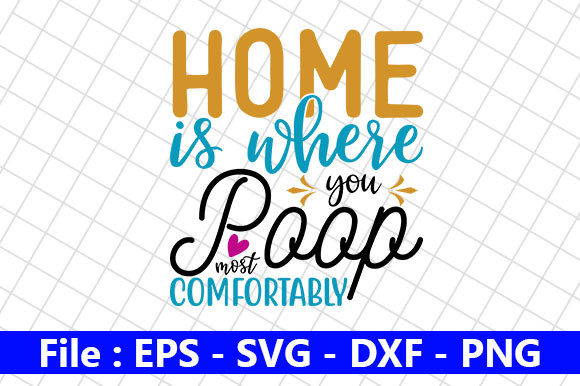
Reviewing the Funny Bathroom Quotes Design
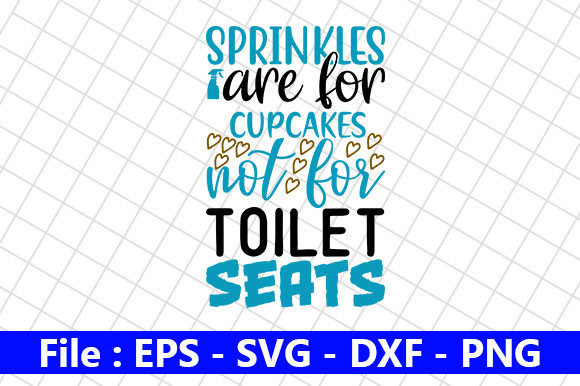
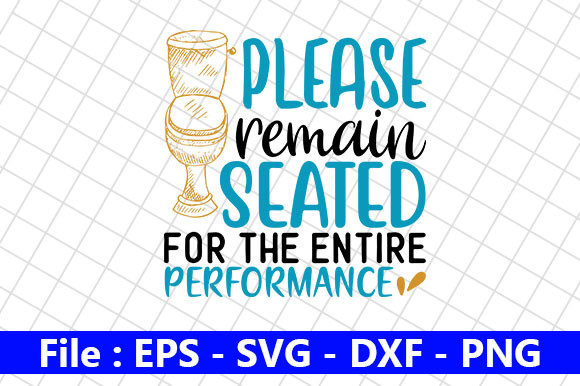
As a designer who has spent countless hours staring at digitizing software and troubleshooting thread breaks, I approach every new machine embroidery design with a mix of curiosity and skepticism. We all know that what looks crisp on a screen does not always translate perfectly to fabric. Recently, I had the chance to evaluate the Funny Bathroom Quotes Design, Please, specifically the variation featuring the phrase "please remain seated for the entire performance." This piece falls squarely into the Crafts and Graphics categories, but its real value lies in how it performs as a tangible embroidery project.
First Impressions and Visual Personality
The immediate appeal of this design is its wit. In the world of handmade product creation, humor sells. It creates an instant connection with the viewer. Visually, the layout is clean and centered, which suggests it was designed with readability in mind. The typography appears bold enough to withstand the slight distortion that naturally occurs during stitching. When I first loaded the file, I noted that the balance between negative space and text density seemed appropriate for a standard hoop. It does not look overly cluttered, which is a common pitfall in quote-based designs.
The mood is lighthearted and slightly irreverent, making it ideal for spaces or items where people expect a bit of fun. It is not just a decorative element; it is a conversation starter. For Etsy sellers and small shop product creators, this kind of personality can differentiate a generic item from a memorable personalized gift.
Real-World Application: The Tote Bag Test
To truly understand the viability of this design, I imagined a specific use case: a custom canvas tote bag. Canvas is a popular substrate for tote bag design because it is sturdy and holds stitches well. I envisioned placing this quote in the center of a natural-colored cotton canvas bag. The contrast of dark thread against light fabric would make the text pop. However, because the phrase is longer than a single word, placement is critical. If placed too low, it might get obscured by the bag's contents; too high, and it might interfere with the handle attachment.
Beyond tote bags, this design shines in custom apparel. Imagine it embroidered on the lower back of a oversized sweatshirt or across the chest of a fitted tee. For sweatshirt embroidery, the texture of the fleece or French terry adds depth to the stitches. The key here is ensuring the stitch density is not so high that it causes the fabric to pucker. Since this is a text-heavy design, it likely relies on a combination of satin stitch for smaller elements or outlines and fill stitch for larger letters, though the exact technique depends on the digitizer’s choices. A well-digitized text design should feel smooth to the touch, not like a stiff plastic patch.
Navigating Fabric and Hoop Constraints
While the design is versatile, it is not universal. There are specific scenarios where you must proceed with caution. First, consider the hoop size. If you are working with a 4x4 inch hoop, this design might be too large to fit comfortably with adequate margins. You would need to check the dimensions of the provided files—SVG, DXF, EPS, and PNG—to ensure they scale correctly for your machine’s capabilities. Always measure the actual stitched output, not just the digital preview.
Textured fabrics present another challenge. On a waffle-weave towel or a thick terrycloth, fine details can get lost. If the lettering has thin serifs or intricate connections, they may merge together on plush surfaces. In such cases, using a cut-away stabilizer is non-negotiable to provide a firm foundation. Conversely, on stretchy fabrics like jersey knits used for baby embroidery or active wear, the design needs to move with the fabric. If the stitch count is too dense, it will restrict stretch and cause discomfort.
Dark fabrics require strategic planning. If you are stitching white thread on black fabric, you must ensure there are no gaps in the fill. Light showing through dark fabric is a hallmark of amateur work. Testing your thread colors on scrap fabric before committing to the final finished product is a step I never skip. It saves time, money, and embarrassment.
Commercial Viability and Brand Consistency
For commercial embroidery professionals and craft business owners, consistency is key. This design fits well within a niche of humorous home decor or novelty gifts. It aligns with trends seen in holiday embroidery and gag gifts, but it has year-round appeal. When listing this on platforms like Etsy, the visual clarity of the design in your printable mockup or product photos will drive engagement. Buyers want to see that the text is legible and the stitching is neat.
The inclusion of multiple file formats—SVG, DXF, EPS, and PNG—suggests versatility. While SVG and DXF are often used for cutting machines, they can also inform digitizing workflows. The PNG is useful for quick previews or sublimation transfers if you offer mixed-media products. However, as an embroiderer, your primary concern is the stitch file itself. Since the product description lists graphic formats, you must verify if a native machine embroidery file (like PES, DST, or JEF) is included or if you need to digitize it yourself from the vector graphics. If you are digitizing from the SVG, pay close attention to node reduction to ensure smooth curves.
Practical Designer Notes for Success
Before you launch this design into your production line, consider these practical steps:
- Test on Scrap Fabric: Always run a test stitch-out on the same type of fabric you intend to use for the final item. This reveals issues with tension, density, and registration.
- Check Stitch Density: High density can cause puckering, especially on lighter fabrics. If the design feels stiff, consider reducing the density or using a softer stabilizer.
- Contrast is King: Ensure your thread color contrasts sufficiently with the fabric. For dark fabrics, use bright or metallic threads to enhance visibility.
- Verify Licensing: Before selling items made with this design, confirm the license terms. Some designers allow commercial use for physical items but restrict the resale of the digital file itself.
- Inspect Small Details: Zoom in on the digital file to check for overlapping stitches or tiny jumps that could cause thread breaks. Clean up any unnecessary trim commands if you have editing software.
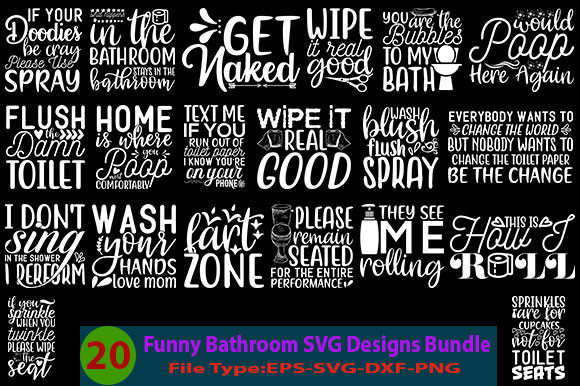
In conclusion, the Funny Bathroom Quotes Design, Please offers a charming blend of humor and style that resonates with modern consumers. It is well-suited for embroidered patch creations, kitchen towels, and casual apparel. By respecting the technical limitations of your machine and materials, you can transform this digital asset into a high-quality handmade product that delights customers. Whether you are a hobbyist looking to spice up your home or an Etsy seller expanding your catalog, this design provides a solid foundation for creative expression. Just remember: the devil is in the details, and successful embroidery is all about preparation.