Review: Future Zoologist Funny Zookeeper Design
As a designer who spends half my life digitizing and the other half stitching, I have learned that not every cute graphic translates well to thread. When I first pulled up the Future Zoologist Funny Zookeeper Design, my initial reaction was one of cautious optimism. The concept is undeniably charming, tapping into a niche market of proud parents, animal lovers, and aspiring wildlife experts. However, charm alone does not make a viable embroidery project. I needed to determine if this design could withstand the mechanical realities of an embroidery machine while maintaining its visual appeal on actual fabric.
First Impressions and Visual Personality
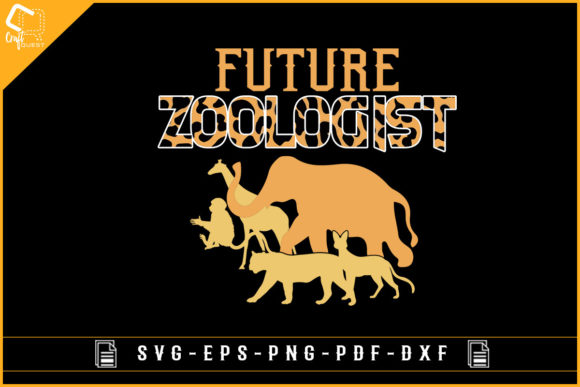
The mood of this design is playful and lighthearted, which is exactly what you want for children’s apparel or novelty gifts. From a layout perspective, the balance between text and imagery seems intentional, avoiding the cluttered look that plagues many low-quality Graphics in the Crafts category. The typography appears bold enough to remain legible, a critical factor when dealing with the slight distortion that occurs during stitching. The visual personality suggests a product that is meant to be seen and smiled at, rather than a subtle, background accent. It demands attention, which makes it ideal for statement pieces like toddler sweatshirts or tote bags.
Real-World Application: The Custom Tote Test
To truly evaluate the Future Zoologist Funny Zookeeper Design, I imagined a specific real-life scenario: preparing a custom order for a local boutique selling eco-friendly baby items. The client wanted a sturdy canvas tote bag design that could double as a diaper bag or a library book carrier. This is where the rubber meets the road. Canvas has a distinct fabric texture that can interfere with fine details. If the design relies too heavily on tiny, isolated elements, they may get lost in the weave of the material.
In this context, the design’s thicker lines work in its favor. A satin stitch border around the main elements would provide the necessary coverage to stand out against the textured background. For a personalized gift like this, the durability of the stitch is just as important as the look. Parents wash these items frequently, so the design must hold up without excessive puckering or thread breaks. The robust nature of the artwork suggests it would perform well here, provided the digitizer has accounted for proper pull compensation.
Versatility Across Product Types
Beyond tote bags, this design shows promise for various custom apparel projects. Imagine it embroidered on the chest of a youth-sized hoodie. The dark fabric of a navy or black sweatshirt would require high-contrast thread colors to ensure the design pops. Alternatively, on a light-colored baby embroidery item, such as a onesie or burp cloth, softer pastels could create a gentle, nursery-appropriate aesthetic. The versatility of the theme allows it to cross over into holiday embroidery gifts, particularly for birthdays or baby showers where the "future profession" theme is a popular trend.
For Etsy seller accounts and small shop product lines, having a design that works across multiple substrates is crucial for inventory efficiency. You do not want to digitize separate versions for every item. If this machine embroidery design is scaled correctly, it could serve as a central motif for an embroidered patch or a direct-to-garment application on aprons for young helpers in the garden or kitchen.
Technical Constraints and Caution Areas
While the design is strong, there are areas where caution is necessary. Any designer knows that curved surfaces, such as caps or hats, present unique challenges. If you attempt to place this design on a structured cap, you must consider the hoop size limitations and the curvature of the front panel. Large, dense areas of fill stitch can cause warping on thin or stretchy fabrics. If the original file has high stitch density, it may pull excessively on a lightweight t-shirt, leading to an unprofessional finish.
Additionally, small details can be problematic. If the design includes intricate facial features on animals or very fine serifs in the lettering, these may not translate well at smaller sizes. I always advise testing the design on scrap fabric first, ideally in both black and white mockups, to check for clarity. On dark fabrics, underlay stitches become critical to prevent the garment color from showing through the top stitching. Without proper stabilizer selection, even the best design can fail.
Commercial Viability and Brand Trust
For commercial embroidery professionals, the quality of your design assets directly impacts customer trust. A sloppy stitch-out reflects poorly on your brand, regardless of how cute the concept is. The Future Zoologist Funny Zookeeper Design has the potential to enhance brand consistency if it aligns with a playful, family-oriented aesthetic. It adds value to the finished product by offering a unique, non-generic option that stands out in a saturated market.
However, it is vital to verify the licensing terms. The product description notes that this is a craft design with SVG, EPS, DXF, PNG, and PDF files ready to print, often used for Cricut or vinyl cuts. As an embroiderer, you must confirm if the purchase includes rights for commercial use of the stitched item. Many digital files are sold for personal use only. Always check the license before selling handmade product items derived from these graphics. Furthermore, since mockups are not included, you will need to create your own high-quality photos for your online listings to drive buyer engagement.
Practical Designer Notes for Execution
Before committing to a full production run, follow these practical steps:
- Test on Scrap Fabric: Always run a test stitch-out on the same type of fabric you intend to use for the final product. This reveals issues with tension and density.
- Check Thread Contrast: Ensure your chosen thread colors provide sufficient contrast against the fabric, especially for the text elements.
- Review Stitch Density: If the file is originally intended for printing or cutting, it may need to be digitized or edited for embroidery to reduce bulk and improve flexibility.
- Confirm Hoop Size: Measure the design dimensions to ensure it fits comfortably within your machine’s hoop, leaving room for stabilization.
- Inspect Small Details: Zoom in on the digital file to identify any tiny elements that might break or get lost during stitching.
- Use Proper Stabilizer: Match your stabilizer to the fabric weight. Cut-away stabilizer is often best for stretchy knits, while tear-away works for stable wovens.
In conclusion, the Future Zoologist Funny Zookeeper Design offers a solid foundation for creative entrepreneurs looking to expand their craft business offerings. Its strength lies in its clear theme and adaptable layout. However, success depends entirely on technical execution. By respecting the limitations of the medium and preparing thoroughly, you can transform this digital asset into a high-quality, sought-after embroidery project that delights customers and strengthens your reputation as a skilled maker.