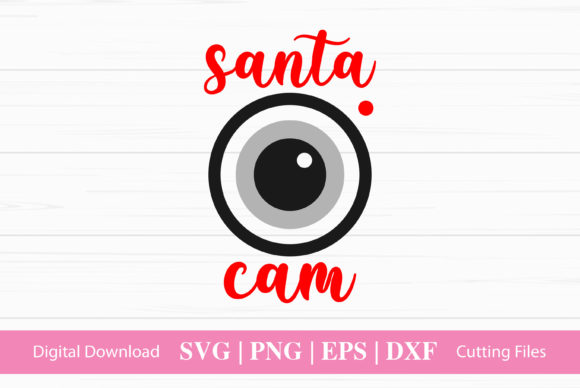
Funny Santa Cam: A Designer’s Take on Holiday Stitching
As an embroidery designer who has spent countless hours staring at hoops, tweaking tension, and worrying about puckering, I approach every new machine embroidery design with a mix of curiosity and caution. We all know that what looks crisp on a screen does not always translate beautifully to fabric. When I first pulled up the files for Funny Santa Cam, my initial reaction was one of genuine amusement mixed with professional scrutiny. The concept is playful, tapping into that modern, slightly irreverent holiday humor that sells well in boutique shops and on Etsy. But the real question for us crafters is always: will it stitch out cleanly, and will my customers love the finished product?
First Impressions and Visual Personality
The mood of Funny Santa Cam is lighthearted and whimsical. It avoids the overly traditional, stiff aesthetic of vintage Christmas cards in favor of something more contemporary. For a designer, this is crucial because today’s buyers often look for gifts that feel personal and fun rather than generic. The layout appears balanced, which is essential for maintaining structural integrity during stitching. If a design is too top-heavy or has uneven weight distribution, it can pull on lightweight fabrics like jersey knits or baby onesies.
In terms of detail level, this graphic seems to strike a middle ground. It is detailed enough to be interesting but not so dense that it becomes a nightmare of thread breaks and trim points. This balance is vital for anyone running a craft business where time is money. A design that requires excessive trimming or frequent needle changes slows down production significantly. The visual personality suggests it would work wonderfully as a focal point on a sweatshirt or as a charming accent on a tote bag.
Real-World Application: The Custom Tote Test
To truly evaluate a design, I mentally place it into a real-life scenario. Imagine preparing a custom embroidered tote bag for a holiday market. Canvas is a forgiving fabric, but it has a distinct texture. I visualize how the stitches of Funny Santa Cam would interact with the weave of the canvas. The design’s lines need to be thick enough to cover the fabric texture without looking blobby. If the elements are too thin, they might get lost in the grain of the material.
This design feels particularly suited for holiday embroidery projects that need to stand out in a crowded marketplace. Whether it is a personalized gift for a neighbor or a branded item for a small shop product, the humor element creates an immediate emotional connection. Customers are more likely to engage with a product that makes them smile. In my experience, items with a bit of personality have higher perceived value because they feel like unique design assets rather than mass-produced commodities.
Versatility Across Products
Beyond tote bags, I see strong potential for this design in custom apparel. A left-chest placement on a high-quality hoodie could look sophisticated yet fun. For baby embroidery, however, I would proceed with caution. While the theme is cute, we must consider the softness required for infant skin. If the design uses heavy fill stitch areas, it might feel stiff against delicate skin. In such cases, considering an applique design version or ensuring very soft backing is used would be wise.
For embroidered patch creators, this graphic offers great potential. Patches allow for denser stitching since they are stabilized on their own before being applied. The bold lines of Funny Santa Cam would likely pop nicely against a twill background, making it a great addition to holiday hats or jackets.
Technical Considerations for Clean Stitching
Before loading any file into your machine, practical checks are non-negotiable. Since this is a digital embroidery file package, you have the advantage of multiple formats. However, format compatibility does not guarantee stitch quality. Always check the stitch density in your software. If the density is too high for the intended fabric, you risk perforating the material or causing puckering. Conversely, if it is too low, the fabric might show through, ruining the visual appeal.
When working with stretchy fabric like t-shirt jersey, proper stabilization is key. I recommend using a cut-away stabilizer for garments that will be washed frequently. This ensures the design maintains its shape over time. For dark fabric, consider how the thread colors contrast. If the design relies on subtle shading, it might disappear on black or navy blue. Testing on scrap fabric is the only way to be sure. I always run a test stitch on a similar material to check for thread breaks and registration issues.
Pay close attention to small details. Tiny text or intricate corners can bunch up if the needle size is too large or if the thread tension is off. If Funny Santa Cam includes any small lettering, ensure it is legible at the intended hoop size. If you are unsure, scaling the design up slightly can often improve clarity without losing the overall proportion.
Commercial Use and Brand Consistency
For Etsy sellers and handmade shop owners, consistency is brand currency. Using a design like Funny Santa Cam should align with your shop’s aesthetic. If your brand is known for elegant, minimalist decor, this playful design might feel out of place. However, if your shop focuses on fun, family-oriented, or quirky items, it fits perfectly. Always confirm licensing terms before selling finished items. While many digital downloads allow commercial use for physical products, restrictions often apply to reselling the digital files themselves.
The included files—SVG, PNG, AI, EPS, and DXF—suggest versatility beyond just embroidery. These formats are useful for creating printable mockup previews for your online listings or for cutting vinyl if you offer mixed-media products. This multi-format approach adds value for creative entrepreneurs who want to maximize their investment in a single design asset.
Final Verdict for Makers
In conclusion, Funny Santa Cam offers a blend of charm and practicality that appeals to both hobbyists and professional decorators. Its strength lies in its ability to convey holiday cheer without feeling cliché. By paying attention to fabric choice, stabilizer type, and stitch density, you can ensure a high-quality finished product that delights customers. Remember to test thoroughly, especially when moving from stable cottons to tricky knits or caps. With careful execution, this design can become a staple in your holiday collection, driving engagement and sales through its inherent likability and professional presentation.