Funny Jumper T Shirt Design: A Designer’s Review
As an embroidery designer who has spent years digitizing files and troubleshooting stitch-outs for small business owners, I approach every new Funny Jumper T Shirt Design with a critical eye. We are not just looking at pretty pictures; we are evaluating how a graphic translates into thread, how it behaves on fabric, and whether it will hold up in the real world of custom apparel and handmade goods. When I first opened the files for this particular design, my immediate thought was about its versatility and the potential pitfalls that often come with humorous graphics intended for garments.
First Impressions and Visual Personality
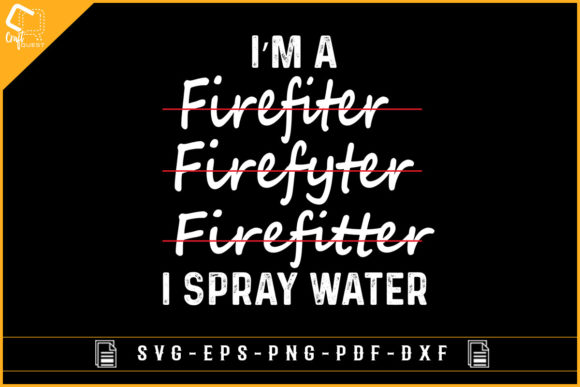
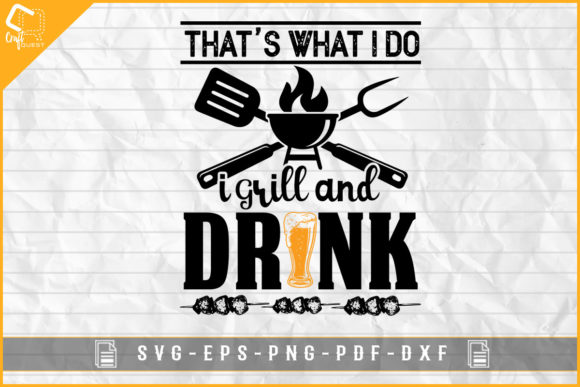
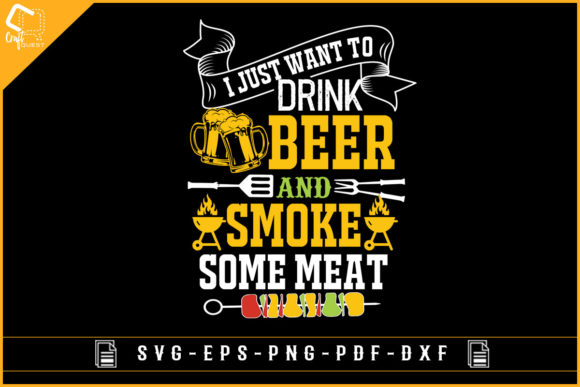
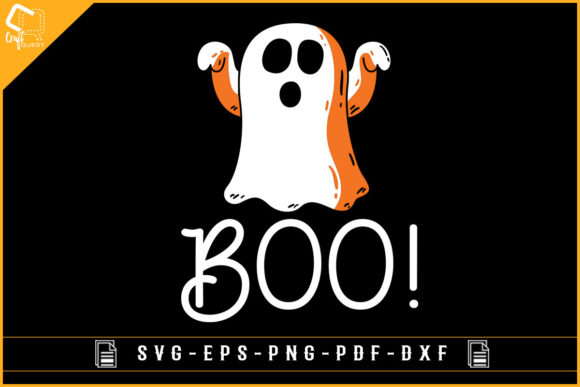
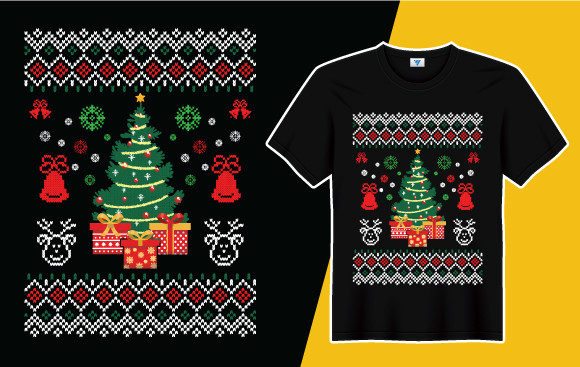
The mood of this design is undeniably playful. It carries a lighthearted energy that fits perfectly into the current trend of ironic and whimsical custom apparel. From a layout perspective, the shapes are bold and distinct, which is a crucial factor for embroidery. Unlike complex photographic images that require thousands of stitches and dense fill areas, this design relies on clear vector shapes. The description notes that there are 100 vector shapes that are resizable, which suggests a level of flexibility that is rare in pre-made digital assets.
For an Etsy seller or a boutique owner, visual clarity is everything. A customer scrolling through a feed needs to understand the joke or the sentiment instantly. This design achieves that through strong silhouettes and balanced spacing. However, as a reviewer, I look beyond the screen. I imagine how these lines will look when converted into satin stitch or fill stitch. The clean edges suggest that with proper digitizing, the final product will have a professional finish rather than a messy, homemade appearance.
Real-World Application: The Sweatshirt Test
To truly evaluate a machine embroidery design, you have to visualize it on a specific product. Let’s consider a common scenario: a customer orders a personalized sweatshirt for a holiday gift. They want something funny but stylish, not childish. This design fits that brief well. When placed on the chest of a mid-weight cotton blend sweatshirt, the bold lines of the graphic stand out against the textured fabric.
In this context, the thread colors become vital. Because the design allows for easy color changes, you can adapt it to match seasonal palettes. For a winter collection, deep navies and forest greens work beautifully. For spring, pastels can soften the humor, making it more approachable for a wider audience. The key here is contrast. If you are stitching on a dark garment, ensure your thread choice pops. A low-contrast combination might make the details get lost in the pile of the fleece.
Versatility Across Product Lines
Beyond sweatshirts, this graphic has legs in other categories. It works exceptionally well as a tote bag design. Canvas bags provide a stable, flat surface that is ideal for larger embroidery hoops. The durability of the stitch-out on canvas means the design will survive frequent washing and heavy use, which is a major selling point for practical handmade products.
I also see potential for this design in the embroidered patch market. Patches are trending, and a funny, eye-catching graphic can drive sales at craft fairs. By stitching the design onto twill or felt and then cutting it out, you create a versatile accessory that customers can iron or sew onto jackets, hats, or backpacks. This expands the utility of the original digital embroidery file beyond just direct-to-garment applications.
Technical Considerations for Stitching
While the aesthetic appeal is strong, we must address the technical side. The product description mentions formats like .EPS, .SVG, .AI, and .PDF, along with high-resolution JPEG and PNG files. It is important to note that these are primarily graphics and vector files, not necessarily native machine embroidery formats like .DST or .PES. This distinction is critical for craft business owners.
If you are an embroiderer, you will likely need to use these vector files as a reference to digitize the design yourself or hire a digitizer. This is actually a benefit for professionals because it allows you to control the stitch density and underlay. You can optimize the file for specific fabrics, ensuring that the stabilizer usage is correct and that the fabric does not pucker. For those who are not digitizers, check if the seller provides ready-to-stitch files or if this is strictly a print-and-cut or sublimation asset.
Navigating Fabric Challenges
When using this design on stretchy fabrics like jersey t-shirts, stabilization is non-negotiable. A cut-away stabilizer is recommended to prevent distortion during washing. For thinner fabrics, such as baby clothes, you must be cautious with stitch density. Heavy fill stitches can make the garment stiff and uncomfortable against sensitive skin. In these cases, consider simplifying the design or using applique techniques to reduce the amount of thread on the fabric.
Curved surfaces, like caps, present another challenge. The center of the design should align perfectly with the cap’s seam to avoid twisting. Small details in the graphic might get lost if the hoop size is too small or if the fabric texture is too rough. Always test the design on scrap fabric first. This simple step saves time, thread, and reputation.
Commercial Value and Brand Consistency
For small shop products, consistency builds trust. If this design aligns with your brand’s voice, it can become a staple in your inventory. The ability to resize the vector shapes means you can create cohesive collections across different items—a large version for a blanket, a medium version for a pillow cover, and a small version for a kitchen towel. This scalability enhances the perceived value of your design assets.
Moreover, humorous designs often have high shareability on social media. A well-executed personalized gift featuring this graphic can lead to organic marketing when customers post photos of their purchases. This drives engagement and can boost your visibility as an Etsy seller or independent maker.
Final Verdict for Makers
The Funny Jumper T Shirt Design is a solid addition to a crafter’s library, provided you understand its format and technical requirements. It offers great creative freedom due to its vector nature and clear shapes. However, success depends on your execution. Pay attention to fabric choice, stabilizer type, and thread contrast. Test thoroughly before offering it as a commercial product. If you treat it with the respect it deserves as a design element, it can elevate your finished product from generic to memorable. Whether you are creating holiday embroidery gifts or building a year-round craft business, this design has the potential to perform well if handled with professional care.